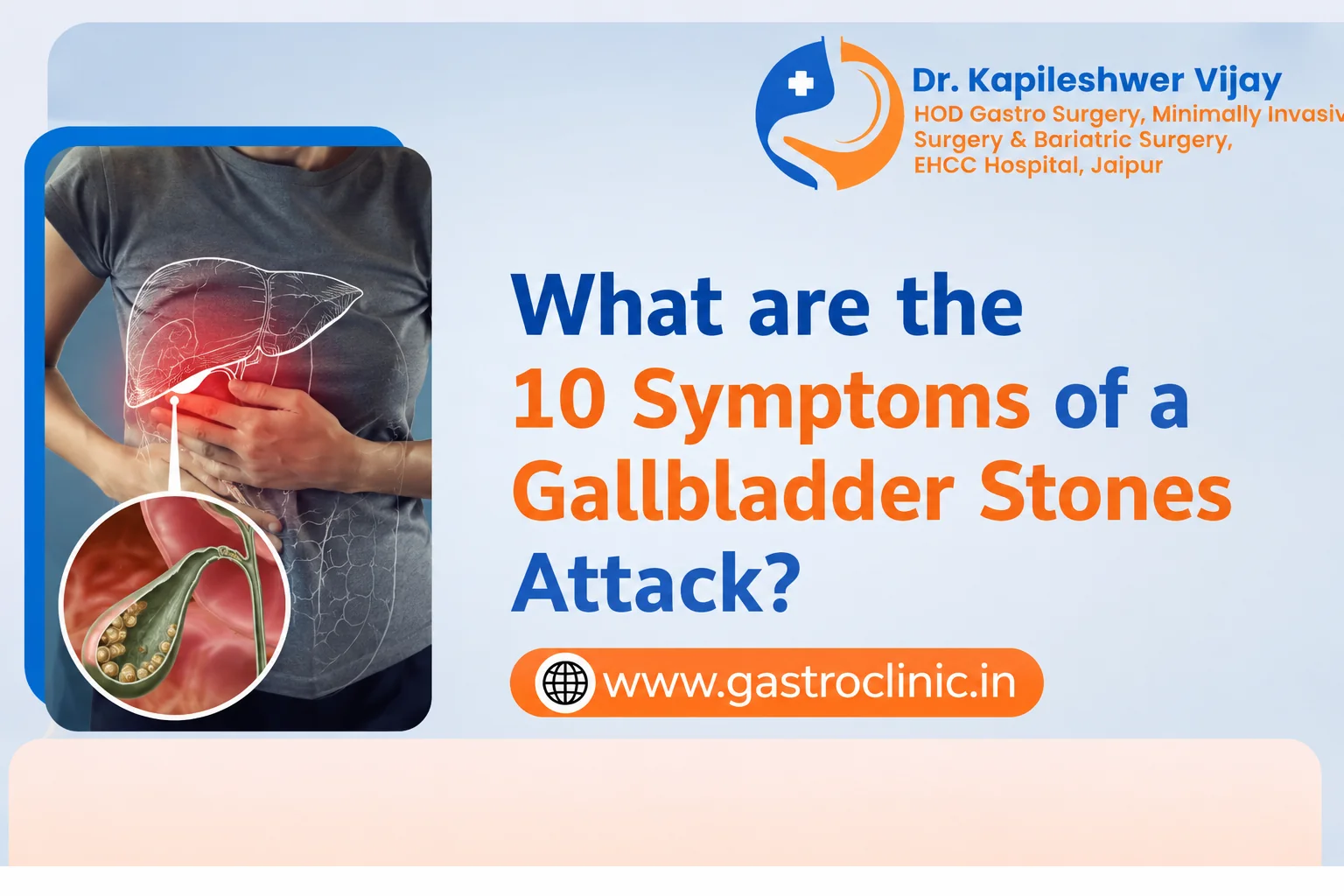
Gall Bladder Stone Symptoms: Gallstones are a common medical condition affecting millions of people worldwide. They can cause severe pain and discomfort and may even require surgery if left untreated. In this article, we will explore the symptoms of gallbladder stones, how they are diagnosed, and what treatment options are available.
Gallstones are hard, pebble-like deposits that form in the gallbladder, a small organ located beneath the liver. The gallbladder stores bile, a digestive fluid that helps break down fats. When the bile contains too much cholesterol or bilirubin, it can form gallstones. There are two types of gallstones, cholesterol stones, and pigment stones.
Cholesterol stones are the most common type of gallstone and are made up of hardened cholesterol. They can vary in size from tiny grains to golf ball-sized stones.
Pigment stones are made up of bilirubin and are less common than cholesterol stones. They are usually smaller and more numerous than cholesterol stones.
Gallbladder stone symptoms can vary from person to person. Some people may not experience any symptoms at all, while others may have severe pain and discomfort. The symptoms of gallbladder stones include:
The most common symptom of gallstones is abdominal pain. The pain is usually located in the upper right quadrant of the abdomen and may radiate to the back or right shoulder blade. The pain may be sharp or dull and may last for several hours.
Nausea and vomiting are common symptoms of gallbladder stones. These symptoms usually occur after a meal, especially one that is high in fat.
Jaundice is a yellowing of the skin and eyes caused by the buildup of bilirubin in the blood. It is a less common symptom of gallbladder stones and usually occurs when a stone blocks the bile duct.
Fever and chills are symptoms of an infection in the gallbladder or bile ducts. This can occur if a gallstone blocks the bile duct, causing inflammation and infection.
Indigestion and gas are common symptoms of gallstones. These symptoms usually occur after a meal, especially one that is high in fat.
If your doctor suspects that you have gallstones, they will perform a physical exam and may order one or more tests to confirm the diagnosis. These tests may include:
An ultrasound uses sound waves to create an image of the gallbladder. This test can help identify the presence of gallstones.
A CT scan uses X-rays and computer technology to create an image of the gallbladder. This test can help identify the presence of gallstones and any complications that may have resulted from them.
Blood tests can be used to check for signs of infection or inflammation in the gallbladder or bile ducts.
There are several ways to prevent the formation of gallstones, including:
Maintaining a healthy weight can reduce the risk of developing gallstones. Obesity is a significant risk factor for gallstones.
Regular exercise can help prevent the formation of gallstones. Exercise can also help maintain a healthy weight.
Eating a healthy diet that is low in fat and cholesterol can reduce the risk of developing gallstones. A diet high in fiber and fruits and vegetables is recommended.
Looking For The Best Gastro Surgeon For Gall Bladder Stone Surgery in Jaipur?
Must book an appointment with Dr. Kapileshwer Vijay, He is one of the most highly experienced Gastro Surgeon in Jaipur providing the best and most successive gall bladder stone surgery and providing you a pain-free life. Book an appointment at 6376993553
Gallstones are a common medical condition that can cause severe pain and discomfort. The symptoms of gallstones include abdominal pain, nausea and vomiting, jaundice, fever and chills, and indigestion and gas. The diagnosis of gallstones can be confirmed through ultrasound, CT scan, or blood tests. The treatment options for gallstones include surgery, medications, and ERCP. To prevent the formation of gallstones, it is essential to maintain a healthy weight, exercise regularly, and eat a healthy diet.
Can gallstones go away on their own?
Gallstones can go away on their own, but it is rare. Most people require treatment to remove the stones.
Can you still have symptoms after gallbladder surgery?
Yes, some people may still experience symptoms after gallbladder surgery. This is known as a post-cholecystectomy syndrome.
Can you prevent gallstones with diet?
Yes, you can prevent gallstones with a healthy diet that is low in fat and cholesterol.
Are gallstones hereditary?
There is evidence to suggest that there may be a genetic component to gallstones, but lifestyle factors such as diet and exercise also play a role.
How long does it take to recover from gallbladder surgery?
Most people can return to their normal activities within a week of gallbladder surgery, but it may take several weeks to fully recover.