The digestive system is a remarkable and intricate network responsible for breaking down the food we consume, absorbing vital nutrients, and eliminating waste. It consists of various organs, each playing a specific role in ensuring our bodies receive the nourishment needed for optimal functioning. However, many people often overlook the importance of digestive health until they experience discomfort or disorders such as indigestion. In fact, issues related to digestion are increasingly common, leading to the growing need for effective solutions.
If you’re facing persistent digestive problems, seeking professional help is crucial. Indigestion treatment in Jaipur has become a key area of focus for many healthcare providers. Here we are sharing some major facts about it. So, keep on reading to know about it!
The digestive process starts as soon as food enters your mouth. Chewing breaks down food into smaller pieces, and saliva contains enzymes that begin the digestion of carbohydrates. This process makes it easier for the stomach and intestines to handle the food.
Once you swallow, food travels down the esophagus, a muscular tube about 10 inches long. It uses rhythmic muscle contractions, known as peristalsis, to push food toward the stomach. This process happens whether you are standing, sitting, or lying down.
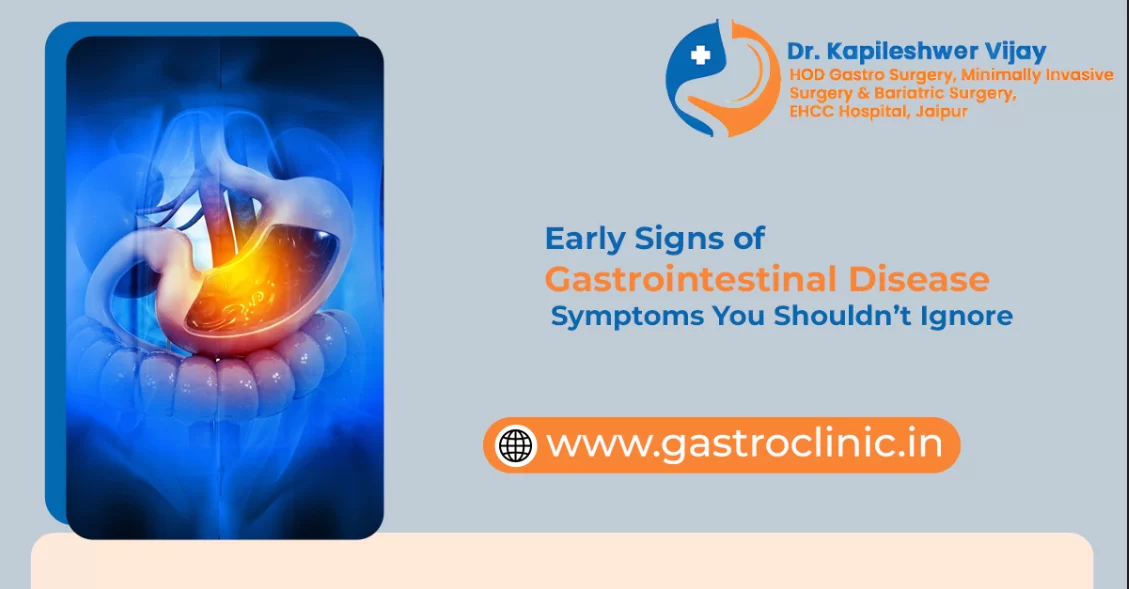
The stomach plays a vital role in digestion by breaking down food with gastric juices, which are highly acidic. This acidic environment helps to kill harmful bacteria and provides the right conditions for enzymes to work effectively. The stomach can hold about 1 to 2 liters of food and liquid at a time.
Despite its name, the small intestine is quite long, measuring about 20 feet in length. It is where most digestion and nutrient absorption occurs. The inner walls of the small intestine are lined with tiny hair-like structures called villi that help absorb nutrients into the bloodstream.
The large intestine, or colon, may be shorter than the small intestine, but it plays a crucial role in absorbing water and electrolytes from indigestible food matter. It is also home to billions of bacteria, which help in breaking down waste products and synthesizing certain vitamins.
Did you know that your digestive system can affect your mood? The gut is often referred to as the “second brain” because it contains a vast network of neurons and produces neurotransmitters like serotonin. A healthy gut can positively impact mental health.
Many people experience digestive disorders, such as indigestion, acid reflux, and irritable bowel syndrome (IBS). These conditions can cause discomfort and disrupt daily life. If you’re experiencing persistent symptoms, it’s essential to seek professional help.
On average, it takes about 24 to 72 hours for food to pass through the digestive system completely. This duration can vary depending on several factors, including the type of food consumed and individual metabolism.
Drinking enough water is crucial for healthy digestion. Water helps break down food so that nutrients can be absorbed more effectively. It also prevents constipation by keeping the digestive tract moist and facilitating smooth bowel movements.
A balanced diet rich in fiber, fruits, vegetables, and whole grains supports a healthy digestive system. Fiber promotes regular bowel movements and prevents issues like constipation and indigestion. Paying attention to your diet can help maintain good digestive health.
If you’re experiencing issues like indigestion or other digestive disorders, consulting a qualified specialist is essential. Dr. Kapileshwar Vijay is recognized as the best gastro surgeon in Jaipur. With extensive experience and expertise in treating a variety of gastrointestinal issues, he provides personalized care to help improve your digestive health. If you’re looking for effective indigestion treatment in Jaipur, consider reaching out to Dr. Vijay for a consultation.
Indigestion, also known as dyspepsia, refers to discomfort or pain in the upper abdomen, often accompanied by bloating, gas, or nausea. It can be caused by various factors, including overeating, consuming spicy or fatty foods, stress, anxiety, or underlying health conditions such as gastroesophageal reflux disease (GERD) or ulcers.
Improving digestive health can be achieved by maintaining a balanced diet rich in fiber, drinking plenty of water, and engaging in regular physical activity. It’s also essential to practice mindful eating, manage stress levels, and avoid smoking and excessive alcohol consumption.
You should consider seeing a gastroenterologist if you experience persistent symptoms such as severe abdominal pain, ongoing indigestion, changes in bowel habits, unexplained weight loss, or blood in your stool. Early consultation can help diagnose and treat underlying issues effectively.
Treatment for indigestion often includes lifestyle changes, dietary adjustments, and over-the-counter medications like antacids or proton pump inhibitors. In more severe cases, a gastroenterologist may recommend prescription medications or further diagnostic tests to determine the underlying cause.
To find the best gastro surgeon in Jaipur, consider asking for referrals from your primary care physician, checking online reviews, and verifying credentials through medical boards. It’s also beneficial to schedule a consultation to discuss your concerns and assess the surgeon’s experience and approach to treatment.