Hernias are common medical conditions that occur when an organ or tissue protrudes through a weak spot in the surrounding muscle or connective tissue. While some hernias may not cause noticeable symptoms, others can lead to significant discomfort and require medical attention. Recognizing the symptoms of hernias is crucial for timely intervention and proper treatment.
In this article we will explore about the common symptoms indicating that there is a need for you to reach the doctor. Let’s explore about it!
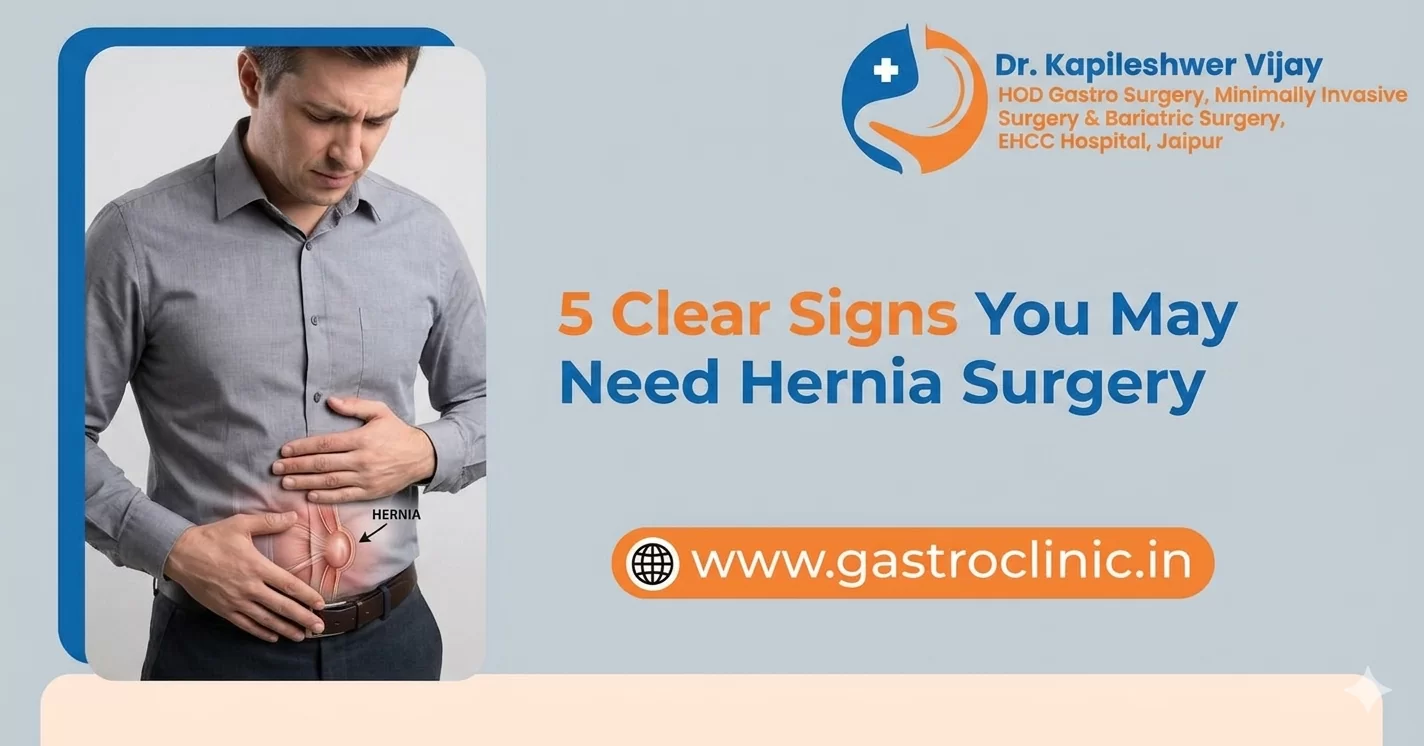
One of the most noticeable symptoms of a hernia is the appearance of a bulge under the skin, particularly in the abdominal or groin area. The bulge may become more pronounced when coughing or straining and may disappear when lying down.
Hernias often cause pain or discomfort, ranging from mild to severe. The pain may be localized at the site of the bulge and can be aggravated by activities such as lifting, bending, or coughing.
The affected area may become tender to the touch, and swelling may occur. Swelling can be a sign of increased pressure within the hernia, causing the surrounding tissues to become inflamed.
Some hernias, especially those in the abdominal region, can lead to changes in bowel habits. This may include constipation, difficulty passing gas, or a feeling of incomplete bowel movements.
In more severe cases, hernias can cause nausea and vomiting. This may be a result of the hernia putting pressure on the digestive tract, affecting its normal functioning.
Hiatal hernias, which occur when the upper part of the stomach protrudes into the chest through the diaphragm, can cause symptoms such as acid reflux and heartburn.
Hiatal hernias may also lead to difficulty swallowing (dysphagia) as the herniated stomach can compress the esophagus, impeding the normal passage of food.
Chronic pain and discomfort associated with a hernia can contribute to fatigue and weakness. The constant strain on the body may result in a general sense of tiredness.
The pain from a hernia may radiate to other areas of the body, making it challenging to pinpoint the exact source. This can lead to pain in the groin, thigh, or even the testicles in the case of inguinal hernias.
If you experience a sudden and severe increase in pain at the site of a known hernia, it could indicate a complication such as strangulation, where blood supply to the herniated tissue is compromised. This is a medical emergency, and immediate attention is crucial.
Here are some tips that you can keep in mind to manage hernias. These are as follows:
Seek medical advice as soon as you suspect or are diagnosed with a hernia. A healthcare professional can provide a thorough evaluation, confirm the diagnosis, and recommend an appropriate treatment plan tailored to your specific condition.
Maintaining a healthy weight is essential for managing hernias, especially abdominal hernias. Excess weight can contribute to increased intra-abdominal pressure, potentially worsening hernia symptoms. Adopting a balanced diet and regular exercise can support weight management.
Hernias often worsen with increased abdominal pressure, so it’s crucial to avoid heavy lifting whenever possible. If lifting is necessary, use proper techniques, such as bending at the knees and keeping the back straight, or consider asking for assistance.
Pay attention to your body mechanics in daily activities. When bending or lifting, use your legs instead of your back to reduce strain on the abdominal muscles. Maintain good posture to minimize unnecessary pressure on the affected area.
For hernias associated with constipation or changes in bowel habits, include fiber-rich foods in your diet. High-fiber foods, such as fruits, vegetables, and whole grains, can help regulate bowel movements and prevent straining during defecation.
Smoking can contribute to the development and worsening of hernias by causing chronic coughing and compromising overall health. Quitting smoking can have multiple health benefits, including reducing the risk of complications associated with hernias.
If you have a chronic cough, work with your healthcare provider to manage the underlying cause. Persistent coughing can increase intra-abdominal pressure and exacerbate hernia symptoms. Treating the root cause can help alleviate this pressure.
In some cases, wearing supportive garments, such as abdominal binders or trusses, may help manage hernia symptoms. These garments provide external support to the affected area, reducing discomfort and preventing the hernia from protruding further.
Schedule regular follow-up appointments with your healthcare provider to monitor the hernia and assess any changes in symptoms. This allows for timely adjustments to the treatment plan and ensures that any potential complications are addressed promptly.
If you suspect you have a hernia or are experiencing any of the mentioned symptoms, it is important to seek medical attention promptly. Timely intervention can prevent complications and ensure appropriate treatment, which may include lifestyle changes, medications, or surgical repair, depending on the severity of the hernia. Always consult with a healthcare professional for accurate diagnosis and personalized guidance based on your specific condition.
Well, you can consider Hernia Surgery in Jaipur By Dr. Kapileshwer Vijay. He is one of the best gastro surgeon in jaipur you can reach for consultation. Discuss with him about everything so that you can easily manage the condition and live your life comfortably!
Ans. hernia occurs when an organ or tissue protrudes through a weak spot in the surrounding muscle or connective tissue. This can happen due to factors such as muscle weakness, strain, or a combination of both. Common types include inguinal (groin), umbilical (belly button), and hiatal (upper stomach) hernias.
Ans. Symptoms of a hernia can vary but often include a noticeable bulge, pain or discomfort (especially when lifting or coughing), tenderness or swelling at the bulging site, changes in bowel habits, and in some cases, nausea or vomiting. It’s important to note that some hernias may be asymptomatic.
Ans. While some small hernias may not require immediate surgical intervention, they often don’t resolve on their own. Lifestyle modifications, such as avoiding heavy lifting and managing underlying factors like obesity, may help manage symptoms. However, consulting with a healthcare professional is essential to determine the appropriate course of action.
Ans. Certain factors can increase the risk of developing hernias, including age, gender (men are more susceptible to inguinal hernias), family history, obesity, and conditions that cause increased abdominal pressure, such as chronic coughing or constipation. Lifestyle choices like smoking and poor nutrition can also contribute.
Ans. If you experience sudden and severe pain at the site of a known hernia, it could indicate a serious complication like strangulation, where blood supply to the herniated tissue is compromised. This is a medical emergency, and you should seek immediate medical attention. Additionally, if you notice any sudden changes in bowel habits, persistent vomiting, or extreme discomfort, consult a healthcare professional promptly.