Get advanced and effective Piles Treatment with Dr. Kapileshwer Vijay, a trusted Piles Specialist in Jaipur. He also specializes in Gall Bladder Stone Surgery, Appendix Surgery, Hernia Surgery, Fistula Surgery, and Gastrointestinal Cancer Surgery. From diagnosis to modern surgical care, receive expert treatment focused on quick recovery and lasting relief. Book your appointment today at 6376993553.

MBBS & MS (General Surgery) DNB (Surgical Gastroenterology)
Dr. Kapileshwer Vijay (Gastro Surgeon in Jaipur), recognized as the best piles doctor in Jaipur, is a distinguished medical professional with a robust academic background, holding degrees in MBBS, MS (General Surgery), and DNB (Surgical Gastroenterology). With over 15 years of invaluable piles surgery experience, Dr. Vijay is Jaipur’s top-rated gastro surgeon. His expertise is evidenced by a remarkable track record of successfully conducting 500+ piles surgical procedures.
Patients seeking relief from piles can trust Dr. Kapileshwar Vijay for a 100% safe and reliable solution; he is the best Piles Surgeon in Jaipur, and for this very reason, he is a highly respected and trusted name in this field. To book an appointment, please contact 6376993553.
Experience the ideal blend of medical services with the Best Piles Surgeon in Jaipur. Connect with Dr. Kapileshwer Vijay, a certified and trusted specialist in Jaipur, Rajasthan. Known for his intelligence and dedication in the field, Dr. Vijay enhances the likelihood of receiving optimal care, elevating your healthcare experience.

Piles Symptoms commonly include pain or discomfort during bowel movements, bleeding, itching around the anus, swelling, and a lump near the anal opening. If these symptoms in females & mens persist or worsen, consult a Piles Specialist in Jaipur for early diagnosis and appropriate treatment to prevent complications.

One of the primary symptoms of piles is the presence of bright red blood during or after bowel movements.

Individuals with piles often experience pain or discomfort, especially during activities such as sitting or passing stools.

The anal area may become itchy and irritated due to inflammation and swelling associated with piles.

Piles can lead to the formation of lumps or swelling around the anal opening, causing a noticeable protrusion.

Some people with piles may notice the discharge of mucus from the anus, particularly after bowel movements.

Piles can contribute to a feeling of incomplete evacuation after passing stools, leading to a persistent sense of needing to go.

Bowel movements can be accompanied by pain, ranging from a dull ache to more intense discomfort, depending on the severity of the piles.

In some cases, piles can result in the involuntary leakage of feces, leading to hygiene concerns and increased discomfort.

Piles, also known as hemorrhoids, are swollen and inflamed blood vessels in the rectum and anus that result in discomfort and bleeding. They can be either internal, located inside the rectum, or external, situated under the skin around the anus. Piles are a common condition and can be caused by various factors, including straining during bowel movements, obesity, pregnancy, and a sedentary lifestyle.
Symptoms of piles may include pain, itching, bleeding during bowel movements, and a lump near the anus. While they can be uncomfortable, piles are usually not serious and can often be managed with lifestyle changes, dietary adjustments, and over-the-counter medications. In more severe cases, medical procedures or surgery may be recommended.
It’s important to consult with a piles doctor in Jaipur for proper diagnosis and guidance on the most appropriate treatment for individual cases of piles.
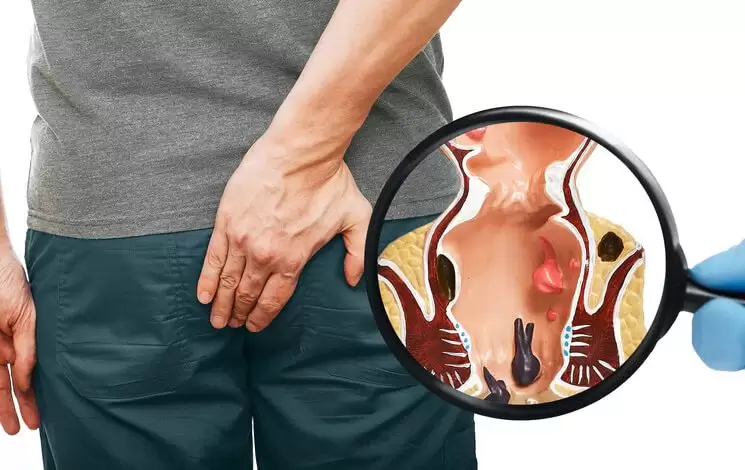
Piles are categorized based on their location and characteristics into the following types:
Internal Piles:
Internal piles develop within the rectum above the dentate line and are not visible externally. They are classified into different grades according to their severity and prolapse.
External Piles:
External piles form around the external opening of the anus, below the dentate line, and are visible or palpable as lumps or bumps. They may cause pain, itching, and discomfort.
Conservative treatment options for external piles include sitz baths, topical creams or ointments, and pain medications. However, if conservative measures fail or the condition worsens, surgical procedures like laser surgery and stapled hemorrhoidectomy may be recommended. Surgical intervention is especially considered when external piles become thrombosed, leading to severe pain and discomfort.

Piles can be diagnosed by a proctologist or an anorectal surgeon through a comprehensive process that includes:
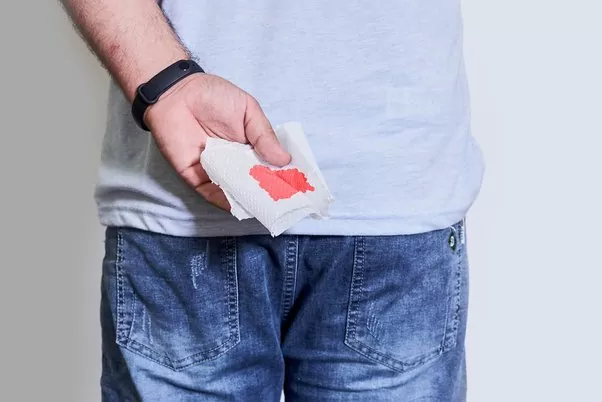
Piles can be addressed through a variety of treatment methods, encompassing both non-surgical and surgical approaches. Here are common non-surgical and surgical treatments for piles:
Non-surgical Treatment:
Each treatment option has its benefits and considerations, and the choice depends on factors such as the type and severity of piles, as well as individual preferences and medical conditions. Consulting with a healthcare professional is crucial to determine the most appropriate treatment plan.

Dr. Kapileshwer Vijay is one of the top-rated piles doctor in Jaipur, provide advanec and successful treatment for piles.

With Dr. Kapileshwer Vijay you are in safe and trusted hand for piles treatment.

Dr. Kapileshwer Vijay is top most qualifiued Piles Surgeon in Jaipur and done 7000+ piles surgeries.
Contact Dr. Kapileshwer Vijay for affordable piles surgery & treatment in Jaipur.

Call us now

Mail Us


Read all the FAQs about piles surgery and treatment by Dr. Kapileshwer Vijay, the Best Piles Doctor in Jaipur.
Hemorrhoids in women refer to inflamed blood vessels and tissues located beneath the rectum or under the skin around the anus. Initially, home remedies and medications can be used to treat hemorrhoids in women; however, surgical interventions, including procedures like laser surgery, may be necessary at a later stage.
Yes, piles are highly treatable and can be completely cured with proper medication, lifestyle changes, and advanced treatments like laser or surgery. Early diagnosis and expert care help prevent recurrence and provide long-term relief from pain and discomfort.
At Gastro Clinic we use the most advanced pieces of equipment for each piles laser treatment in jaipur and minimal procedural pain to get rid of piles.
No, piles are not usually a lifelong problem. With proper treatment, healthy eating habits, hydration, and lifestyle changes, most people recover completely. Advanced treatments like laser or surgery can also provide long-term relief and prevent recurrence.
Piles Doctor usually General Surgeon ya Colorectal Specialist hota hai jo piles (hemorrhoids) ka diagnosis aur treatment karta hai. Yeh medicines, laser treatment aur surgery ke through piles ka proper management karta hai.
Piles ke liye aapko General Surgeon ya Colorectal Surgeon ko dikhana chahiye. Yeh doctors internal aur external piles dono ka sahi diagnosis karke best treatment suggest karte hain.
Best Piles Doctor chunne ke liye unka experience, laser surgery expertise, patient reviews, hospital facilities aur success rate check karein. Aisa doctor choose karein jo modern painless treatment options provide kare.
Piles Doctor surgery tab recommend karte hain jab piles severe ho, baar-baar bleeding ho, medicines se relief na mile ya piles prolapse ho raha ho. Advanced cases mein laser ya surgical treatment zaroori hota hai.
Haan, kai experienced Piles Doctors laser treatment karte hain. Laser surgery minimally invasive hoti hai, jisme pain kam hota hai aur recovery fast hoti hai compared to traditional surgery.
Consultation ke dauran doctor se treatment options, laser vs surgery difference, recovery time, recurrence chances, cost aur post-treatment care ke baare mein sawal poochna chahiye.


