Indigestion, a widespread ailment, affects millions of people worldwide. It refers to a range of digestive discomfort, such as bloating, abdominal pain, and heartburn. Various factors, including dietary choices, lifestyle habits, and underlying medical conditions can trigger indigestion. Understanding the causes, symptoms, and effective remedies for indigestion is essential for finding relief and promoting better digestive health.
Looking for Indigestion treatment in Jaipur must book an appointment with Dr. Kapileshwer Vijay, one of the top-rated Gastro surgeon/doctors in Jaipur.
Indigestion, also known as dyspepsia, is a term used to describe a set of symptoms that occur in the upper abdomen. It is often associated with a feeling of fullness, discomfort, or pain during or after a meal. While indigestion is not a disease itself, it can be a sign of an underlying issue within the digestive system.
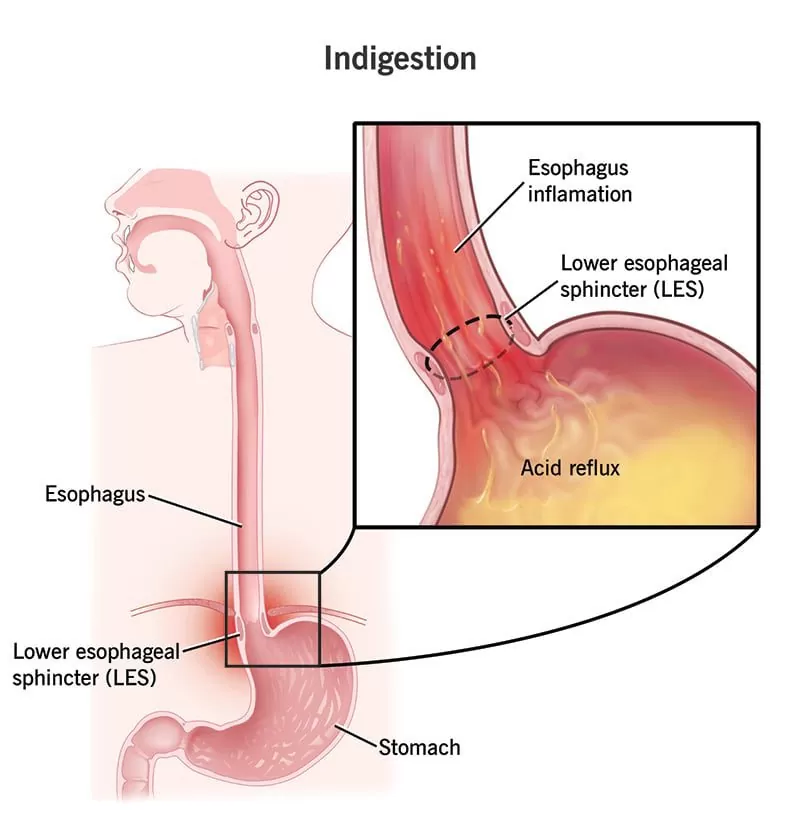
Indigestion can arise from various factors, some of which include:

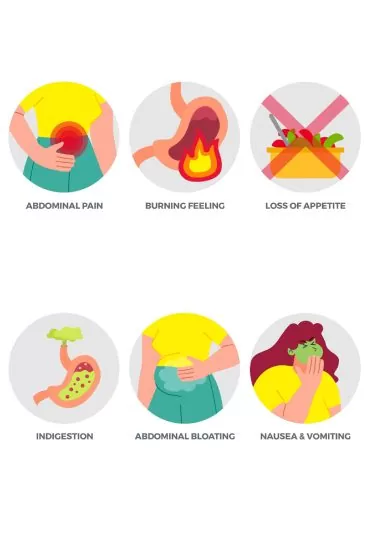
Indigestion manifests differently in individuals, but common symptoms include:
A sensation of fullness or swelling in the abdomen.
Discomfort or pain in the upper abdomen.
A burning sensation in the chest or throat.
Feeling sick or experiencing the need to vomit.
A sour or acidic taste in the mouth.
Frequent burping or passing of gas.
The reduced desire to eat.
Unpleasant sensations after meals, such as heaviness or gnawing.
Indigestion, also known as dyspepsia, can be caused by various factors. While the exact cause of indigestion may not always be clear, several risk factors can increase the likelihood of experiencing this condition. Here are some common risk factors associated with indigestion:
Consuming large meals or eating too quickly can put a strain on the digestive system, leading to indigestion.
Eating foods that are spicy, greasy, or high in fat can irritate the digestive system and trigger indigestion symptoms.
Some medications, such as nonsteroidal anti-inflammatory drugs (NSAIDs), antibiotics, and certain pain relievers, can cause indigestion as a side effect.
Consuming excessive amounts of alcohol or caffeine can irritate the stomach lining and contribute to indigestion.
Smoking tobacco can irritate the stomach and weaken the lower esophageal sphincter, allowing stomach acid to flow back into the esophagus and cause indigestion symptoms.
Emotional stress or anxiety can affect the normal functioning of the digestive system, leading to indigestion.
Being overweight or obese increases the risk of developing indigestion due to added pressure on the stomach and increased likelihood of acid reflux.
Individuals with GERD, a condition characterized by chronic acid reflux, are more prone to experiencing indigestion symptoms.
Indigestion can be treated effectively using several methods. Here are seven lines describing different approaches for indigestion treatment:
Lifestyle changes: Making modifications to your diet and eating habits, such as avoiding trigger foods and eating smaller, more frequent meals, can help alleviate indigestion symptoms.
Over-the-counter medications: Antacids like Tums or Rolaids can provide temporary relief from indigestion by neutralizing stomach acid. Proton pump inhibitors (PPIs) like omeprazole can also be used to reduce acid production.
Herbal remedies: Certain herbs like ginger, peppermint, and chamomile have been traditionally used to soothe indigestion. They can be consumed as teas, capsules, or in other forms.
Prescription medications: If over-the-counter remedies don’t provide sufficient relief, a doctor may prescribe stronger medications like H2 blockers (e.g., ranitidine) or stronger PPIs.
Avoiding trigger substances: Some people find that avoiding alcohol, caffeine, fatty foods, and spicy foods can help prevent indigestion symptoms from occurring.
Stress management: Stress and anxiety can contribute to indigestion. Techniques such as deep breathing exercises, meditation, and regular physical activity can help manage stress levels and reduce indigestion.
Medical evaluation: If indigestion persists or worsens despite lifestyle changes and over-the-counter medications, it’s important to consult a healthcare professional for a thorough evaluation and appropriate treatment. They can rule out underlying conditions and provide further guidance.
Dr. Kapileshwer Vijay is a highly recommended choice for indigestion treatment in Jaipur for several reasons:

Dr. Kapileshwer Vijay is a well-qualified and experienced gastroenterologist with specialized knowledge in digestive disorders. He has years of experience diagnosing and treating various gastrointestinal conditions, including indigestion.

Dr. Kapileshwer Vijay takes a comprehensive approach to indigestion treatment. He not only focuses on relieving immediate symptoms but also addresses the underlying causes of indigestion.

Dr. Kapileshwer Vijay prioritizes the well-being and satisfaction of his patients. He takes the time to listen to their concerns, thoroughly evaluates their symptoms, and tailors treatment plans to suit individual needs.

Dr. Kapileshwer Vijay has garnered positive feedback from numerous patients who have sought treatment for indigestion in Jaipur. Patients appreciate his expertise, personalized care, and successful outcomes, which further establish his reputation as a trusted gastroenterologist.
Indigestion can have various causes, including overeating, consuming spicy or fatty foods, eating late at night, food intolerances, stress and anxiety, GERD, peptic ulcers, gallstones, medications, and digestive disorders.
To prevent indigestion, try the following:
In some cases, indigestion can be a symptom of an underlying medical condition, such as gastritis, peptic ulcers, GERD, or gallstones. It is important to consult a healthcare professional if you experience persistent or severe symptoms.
Natural remedies for indigestion include:
It is recommended to seek medical help if you experience the following:


