Certain chapters in life remind us to slow down, breathe, and listen to what the body is quietly expressing. A high SGPT report is one such moment—unexpected, worrying, and yet strangely enlightening. It pushes you to reflect on the choices you make each day. If you’ve been searching for How to Reduce SGPT Levels, this detailed guide gives you clarity, direction, and a sense of control over your health again.
SGPT, otherwise known as ALT, is a small enzyme with a big message. It stays inside your liver cells, keeping things smooth and running well. However, if the liver is irritated, inflamed, injured, or suffers from failure, a portion of SGPT spills out into the bloodstream, raising its level. This rising level is not the disease itself but rather a sign that you must pay attention to your liver and take good care of it.
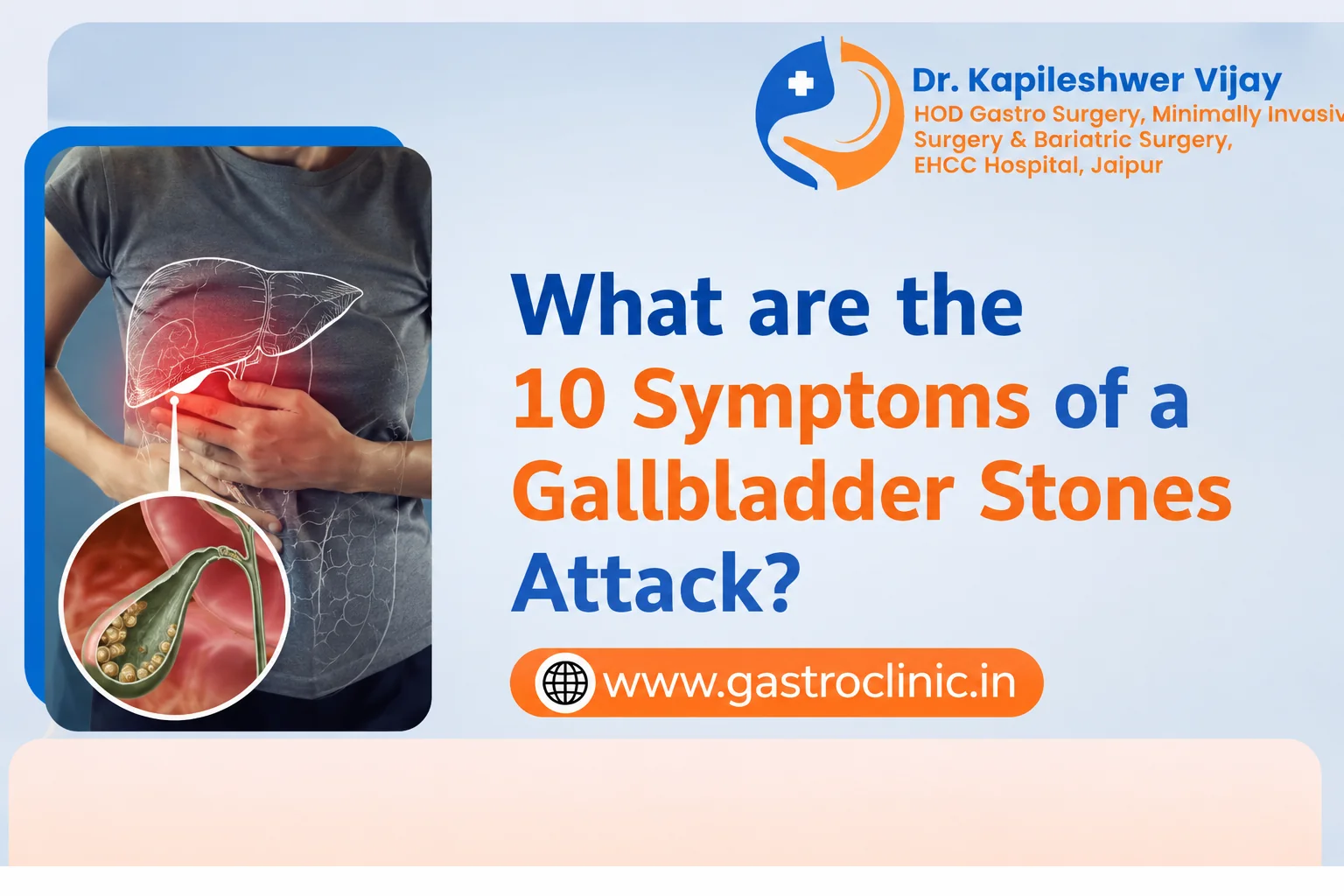
Many people don’t notice anything at first, but as the liver gets stressed, the body starts speaking softly through:
A strange heaviness or discomfort in the upper abdomen
Constant tiredness even after sleeping
Mild nausea, especially in the morning
Loss of appetite or dislike for heavy foods
Yellowing of eyes or skin in severe cases
Increased weakness or slow digestion
Not every person will feel all of these, but even one is the body’s way of asking you to pause.
The liver is sensitive—it remembers everything we consume and endure. Some major causes of high SGPT include:
Excessive alcohol or even occasional binge drinking
Fatty liver (both alcoholic and non-alcoholic)
Chronic stress and lack of proper sleep
High cholesterol and triglycerides
Long-term painkillers or heavy medications
Viral infections like hepatitis
Obesity and lack of exercise
Too much processed, oily, or packaged food
You don’t have to overhaul your entire life in one day. Think of this journey as clearing fog from a glass window—slowly, steadily, and with intention. Reducing SGPT involves four pillars: hydration, nourishment, rest, and discipline.
Just like a tired person needs rest, the liver also needs a few days of soft, simple food.
Avoid fried, spicy, and oily meals
Prefer home-cooked, steamed, or boiled dishes
Eat smaller meals throughout the day
Water is an excellent way to keep your liver free from toxins.
Drink 8–10 glasses a day
Use coconut water
Take warm lemon water every morning
Herbal teas like ginger or dandelion help calm inflammation
This one step alone can lower SGPT dramatically within weeks.
Daily motion improves blood flow and reduces liver fat.
Walk 30–40 minutes
Try yoga stretches
Add deep breathing to your day
The liver heals the most at night.
Sleep before 11 PM
Stay away from heavy late-night meals
Avoid screens one hour before bed
When these natural steps are not enough, medical professionals step in. Consulting a GI Surgeon in Jaipur or a Gastro Surgeon in Jaipur ensures proper evaluation and treatment. SGPT treatment focuses on identifying and correcting the cause, not just lowering the enzyme. Doctors usually recommend:
Blood tests for liver function
An ultrasound to check for fatty liver
Treating hepatitis if present
Adjusting medications
Antioxidant combinations
Monitoring cholesterol and blood sugar
Food can harm, but it can also heal. When chosen wisely, it becomes the most powerful support system for the liver.
Foods to heal
Fresh fruits like papaya, pear, apple, grapes
Water-rich vegetables like spinach, cucumber, and other greens
Turmeric-infused milk
Light dals, moong soup, khichdi
Herbal teas
Handful of nuts
Foods to Avoid
Burgers, pizzas, and fried snacks
Deep-fried Indian sweets
Red meat
Sugary drinks and sodas
Processed snacks
Excessive tea or coffee
If you follow this routine for 3–4 weeks, SGPT levels generally begin to fall naturally.
Morning Routine
Warm lemon water
Light breakfast like fruits, oats, or poha
Midday Routine
Balanced lunch with vegetables, dal, roti
Avoid oily curries
Evening Routine
A cup of herbal tea
Light snack like nuts
Night Routine
Early dinner
No sweets
Sleep on time
Don’t eat unnecessary drugs
Stop smoking
Maintain a healthy weight
Deep breathing to reduce stress
Avoid late-night eating
Drink water at regular intervals
While your SGPT keeps rising and you suddenly find yourself exhausted, heavy in body, and uneasy inside, it’s an indication the liver needs professional expertise to set it right. Reaching out for help in time ensures peace and security at a crucial moment for you. Visiting a skilled liver specialist in Jaipur can give you a correct diagnosis and the right handling for the long haul.
1. How long does it take to lower SGPT?
Lifestyle-related spikes usually come down within a month of proper diet, hydration, and rest.
2. Are high SGPT levels serious?
They are a warning. Not always dangerous, but definitely not to be ignored.
3. Which fruits are best for SGPT?
Papaya, apples, berries, watermelon, and pomegranate work beautifully.
4. Does exercise help to regulate SGPT?
Absolutely. Even a brisk walk can help reduce liver fat and inflammation.
5. When should I see a doctor?
If SGPT stays high for more than 4–6 weeks or symptoms worsen, consult a GI Surgeon in Jaipur or Gastro Surgeon in Jaipur.
Your liver is not angry at you—it is overwhelmed, tired, and asking for care. SGPT levels rise as a sign, not a failure. With mindful eating, better sleep, hydration, routine movement, and timely medical care, you can restore balance. Healing doesn’t require perfection—only intention and consistency.